Skip to content
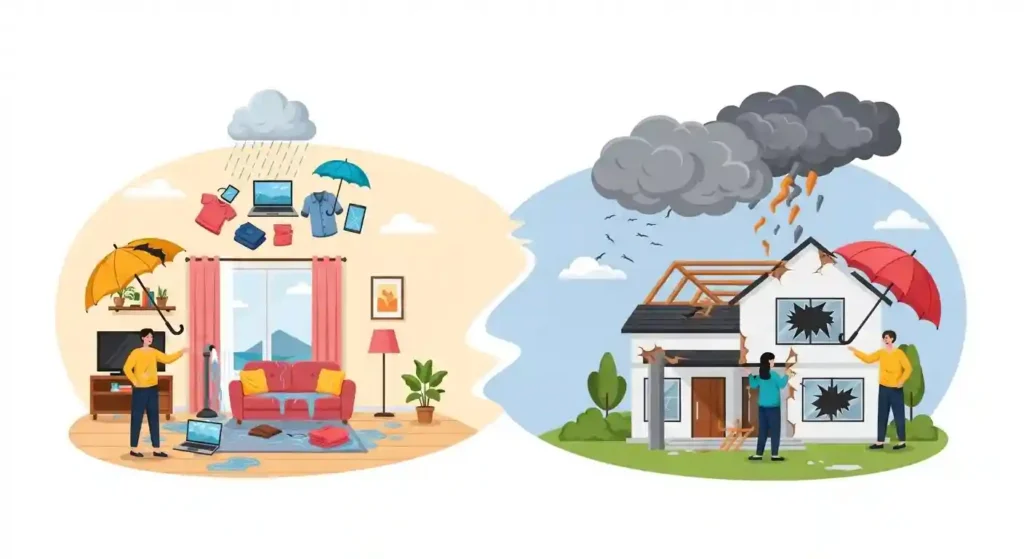
Trying to figure out if you need renters or homeowners insurance? You’re not alone. Many people get confused about which type of coverage they actually need, especially when moving into a new place or buying their first home.
Here’s the simple truth: the main difference comes down to what you own. Renters insurance protects your stuff inside a rental property, while homeowners insurance protects both the building you own and your belongings. But there’s more to it than that, and understanding these differences can save you money and headaches down the road.
Whether you’re renting an apartment, thinking about buying a house, or just want to make sure you’re properly covered, this guide breaks down everything you need to know in plain English. No insurance jargon, no confusing terms, just the facts you need to make a smart decision.
Not sure which insurance you need? Keep reading to find out exactly what each type covers and how much you might pay.
What Is Renters Insurance, and What Does It Cover?
Renters insurance is designed for people who rent their home, whether that’s an apartment, house, condo, or even a room. Think of it as protection for your personal belongings and your financial responsibility to others.
Here’s what renters insurance typically covers:
Personal Property Protection: Your furniture, clothes, electronics, jewelry, and other belongings are covered if they’re damaged or stolen. This includes things like your laptop, TV, bike, and even items you keep in your car. If there’s a fire, theft, vandalism, or certain sudden and accidental water damage, your policy may help pay to repair or replace your belongings, subject to your policy terms and limits.
Liability Coverage: If someone gets injured in your rental or you accidentally damage someone else’s property, liability coverage protects you from lawsuits and medical bills. For example, if your dog bites a visitor or you accidentally start a fire that spreads to neighboring units, this coverage has your back.
Additional Living Expenses: If your rental becomes unlivable due to a covered incident like a fire or severe water damage, renters’ insurance pays for your temporary housing, meals, and other extra costs while repairs are being made.
Medical Payments to Others: This covers small medical expenses if a guest gets hurt at your place, regardless of who’s at fault. It’s typically a smaller amount, usually between $1,000 and $5,000.
What Renters Insurance Doesn’t Cover. The building itself isn’t your responsibility; that’s your landlord’s job. Your policy won’t cover structural damage to the apartment or building. Also, standard policies don’t cover floods or earthquakes (you’d need separate coverage for those), and there are usually limits on high-value items like expensive jewelry or collectibles.
What Is Homeowners Insurance, and What Does It Protect?

Homeowners insurance is a comprehensive policy for people who own their homes. It’s significantly more extensive than renters insurance because you’re protecting both the building and everything inside it.
Here’s what homeowners’ insurance covers:
Dwelling Coverage: This is the big one. It pays to repair or rebuild your home if covered perils like fire, windstorms, hail, lightning, or vandalism damage it. This includes attached structures like a garage or deck.
Other Structures: Detached structures on your property, like a shed, fence, or standalone garage, are also covered, usually up to 10% of your dwelling coverage amount.
Personal property: Just like renters insurance, this covers your belongings inside the home. Your furniture, appliances, clothing, and electronics are protected from theft or damage.
Liability Protection: If someone gets hurt on your property or you’re held responsible for damaging someone else’s property, this coverage protects you from lawsuits and medical expenses.
Additional Living Expenses (Loss of Use): If your home is damaged and you can’t live there during repairs, your policy covers hotel bills, restaurant meals, and other necessary expenses.
Medical Payments to Others: Similar to renters insurance, this covers minor medical expenses for guests injured on your property, typically between $1,000 and $5,000.
What Homeowners Insurance Doesn’t Cover: Standard policies don’t cover floods, earthquakes, or normal wear and tear. Maintenance issues like a slow roof leak or old plumbing aren’t covered either. In some parts of Texas, especially in the 14 coastal counties and parts of Harris County east of Highway 146, a standard home policy may not cover wind and hail damage, so separate coverage may be needed. You may also need separate coverage for certain high-value items, and some insurers may restrict coverage for certain liability risks.
In Texas, homeowners insurance usually costs more than renters insurance, and rates can vary widely based on your home’s location, age, value, deductible, and coverage limits. Renters insurance in Texas is often available for about $20 per month, while average homeowners premiums in Texas are much higher and depend heavily on the property and area.
Want help choosing between renters insurance and homeowners insurance in Texas? Gettia.com can help you compare quotes and coverage options from trusted carriers.
Renters vs Homeowners Insurance Coverage Comparison
| Feature | Renters Insurance | Homeowners Insurance |
| What it protects | Personal belongings only | Home structure + belongings |
| Who needs it | People renting a home or apartment (often required by landlords) | People who own a home (often required by lenders) |
| Average monthly cost | $15–$30 and up | Varies widely based on home and location |
| Liability coverage | Usually around $25k-$100k | Often around $25k-$500k |
| Coverage limits | Lower (belongings only) | Higher (home rebuilding + belongings) |
| Deductibles | Usually lower (around $500) | Can be flat or percentage-based |
| Building damage responsibility | Not responsible for building | Fully responsible for repairs/rebuilding if covered in the policy |
| Extra coverage options | Available as add-ons | Available as add-ons |
| Common add-ons | Jewelry, water backup, identity theft | Jewelry, water backup, extra liability, theft |
How to Choose Between Renters and Homeowners Insurance Based on Your Situation
Choosing the right insurance isn’t complicated once you understand your living situation. Here’s how to decide:
Choose Renters Insurance If:
You’re renting a place to live
You’re renting any type of property: apartment, house, condo, or room. Even if your lease doesn’t require it, you still need protection for your belongings. Many people assume their landlord’s insurance covers their stuff, but it doesn’t.
You live with roommates
You live with roommates in a rental. Each person should have their own renter’s policy since coverage typically only applies to the named policyholder and their immediate family.
You’re a college student living in a dorm or off-campus housing
You’re a college student living in a dorm or off-campus housing. Your parents’ homeowners’ insurance might cover you in a dorm, but it’s worth checking. If you live off-campus, you’ll likely need your own renter’s policy.
You own valuable items
You have valuable belongings in a rental. If you own a laptop, TV, bike, or other items worth more than you could easily replace, renters insurance is worth it. One break-in could cost thousands.
Your landlord requires renters’ insurance
Your landlord requires it. More landlords are making renters insurance mandatory, and for good reason; it protects both you and them.
Choose Homeowners Insurance If:
You own your home. This one’s pretty straightforward. If your name is on the deed, you need homeowners’ insurance.
You have a mortgage. Lenders require homeowners’ insurance to protect their investment. You can’t close on a home loan without proof of coverage.
You own a condo. You’ll need a special type of homeowners insurance called HO-6 or condo insurance, which covers your unit and belongings.
You’re house-sitting long-term or living in a property you own but don’t occupy. Even vacant homes need insurance, though you may need a specialized policy.
What If You’re In Between?
Moving from renting to owning? Don’t cancel your renters’ insurance until your homeowners policy is active. There should be no gap in coverage.
Own a home but rent it out? You need landlord insurance (also called dwelling fire insurance), which is different from standard homeowners insurance.
Living with parents or family? Check if their homeowners policy covers you. Most policies cover family members living in the home, but there may be age limits or other restrictions.
The decision really comes down to one question: Do you own the home? If yes, get homeowners’ insurance. If not, get renters’ insurance. It’s that simple.
Ready to get covered? Contact TIA – Texas Insurance Agency today to discuss your home insurance needs. Our agents can gather your information, compare quotes from multiple carriers, and help you choose the best coverage option for your situation.
Frequently Asked Questions
Can renters insurance cover my roommate’s belongings? No, renters insurance only covers the policyholder and their immediate family members. Each roommate needs their own separate policy to protect their personal belongings.
Is homeowners insurance required by law? No, there’s no law requiring homeowners insurance. However, mortgage lenders require it as a condition of the loan. If you own your home outright without a mortgage, coverage is optional but highly recommended.
What happens if I don’t have renters insurance and my apartment floods? You’ll have to pay out of pocket to replace all your damaged belongings. Your landlord’s insurance covers the building, not your personal property. Even a small flood can result in thousands of dollars in losses. (Request flood insurance quote)
Can I switch from renters to homeowners insurance with the same company? Yes, most insurance companies offer both types of policies and make it easy to switch when you buy a home. You may even get a loyalty discount for staying with the same provider.
Does homeowners insurance cover my belongings when I travel? Yes, most homeowners’ and renters’ insurance policies provide some coverage for your belongings anywhere in the world, though usually at a reduced limit (typically 10% of your personal property coverage). Check your specific policy for details.
Final Thoughts
Understanding the difference between renters and homeowners insurance doesn’t have to be complicated. Renters insurance protects your belongings in a rental property, while homeowners insurance covers both the structure you own and your belongings.
The type of insurance you need depends entirely on whether you own or rent your home. Both types offer valuable protection for your belongings and liability coverage, but homeowners insurance is more comprehensive and typically has higher premiums because it includes the building itself.
Don’t make the mistake of going without coverage. Whether you’re renting or own your home, insurance protects you from financial disasters that could wipe out years of savings in a single incident.
Ready to compare renters insurance and homeowners insurance in Texas? TIA-Texas Insurance Agency can help you explore coverage options and compare quotes based on your home, rental situation, and budget. Call us at 281-607-0991 to get started.
Disclaimer: The information provided in this blog is for general informational purposes only. Insurance coverages, requirements, pricing, and availability may vary based on individual circumstances, business type, state regulations, and insurance carrier guidelines. This content should not be considered legal, financial, or professional advice. For specific coverage recommendations and personalized quotes, please contact TIA – Texas Insurance Agency directly at gettia.com/contact.